AI Agent Engineering
We design agent systems that work reliably in production — not just in demos.
The tools evolve and work changes. The judgement stays yours.
Nine situations. Each one familiar. Click through to see what's underneath.
My AI answers questions.
It doesn't get things done.
The gap between a language model and an agent that reliably completes tasks is an architectural gap, not a model gap. Response is easy. Action requires structure.
click for technical depth ↓An agent that acts is an agent that can fail. That's what makes architecture matter.
It works perfectly in the demo.
Real conditions break it.
That result wasn't part of a system. It was a brief alignment of parameters, timing, and internal states. What feels like repetition is actually re-sampling. Every run drifts — not because the tools fail, but because nothing enforces consistency.
click for technical depth ↓Generative systems are non-deterministic by default. Reproducibility has to be engineered.
Every run gives a different result.
I can't rely on it.
A working example is not a production system. At scale, inconsistencies multiply: outputs drift, quality fluctuates, manual fixes increase exponentially. What worked as a demo collapses under volume.
click for technical depth ↓Scaling requires structure, not repetition.
Something is running in production.
I don't know how it works anymore.
Generative models optimize for plausibility — not authorship. Without embedded constraints, each output negotiates style from scratch. Even high-quality results feel generic.
click for technical depth ↓Style must be encoded, not described.
My agent works perfectly.
It doesn't work with our actual systems.
Multiple tools, models, and steps interact — but without a unifying structure. Dependencies remain implicit. Behavior becomes unpredictable. What looks like a pipeline is actually loosely connected fragments.
click for technical depth ↓Complexity requires explicit control layers.
Running AI costs more
than the value it creates.
Without predictable outputs, there is no reliable planning. No stable quality, no clear timelines, no defensible costs. Decisions slow down — or stop.
click for technical depth ↓Creative systems need measurable behavior.
I have multiple AI tasks
that should work together. They don't.
Time introduces continuity requirements. Without temporal structure, each frame behaves independently. The result: flicker, drift, instability. The system was built for moments — not sequences.
click for technical depth ↓Time requires persistent state.
The AI consultant built it.
Now it's our problem.
Roles are collapsing into systems. Tasks that were once distributed now converge into single workflows. Expectations increase: more output, higher quality, less time. Without structured systems, this shift becomes overload — not leverage.
click for technical depth ↓The unit of work is no longer a person — but a pipeline.
Everyone is using AI.
I don't know if we're using it right.
AI reduces execution cost — but increases system complexity. What looks like a shortcut is a shift in effort: less manual production, more system design, more iteration upfront. Without structure, costs become unpredictable.
click for technical depth ↓Efficiency comes from system stability.
Selected work
Gasometer Oberhausen · Mythos Wald · opened March 2026
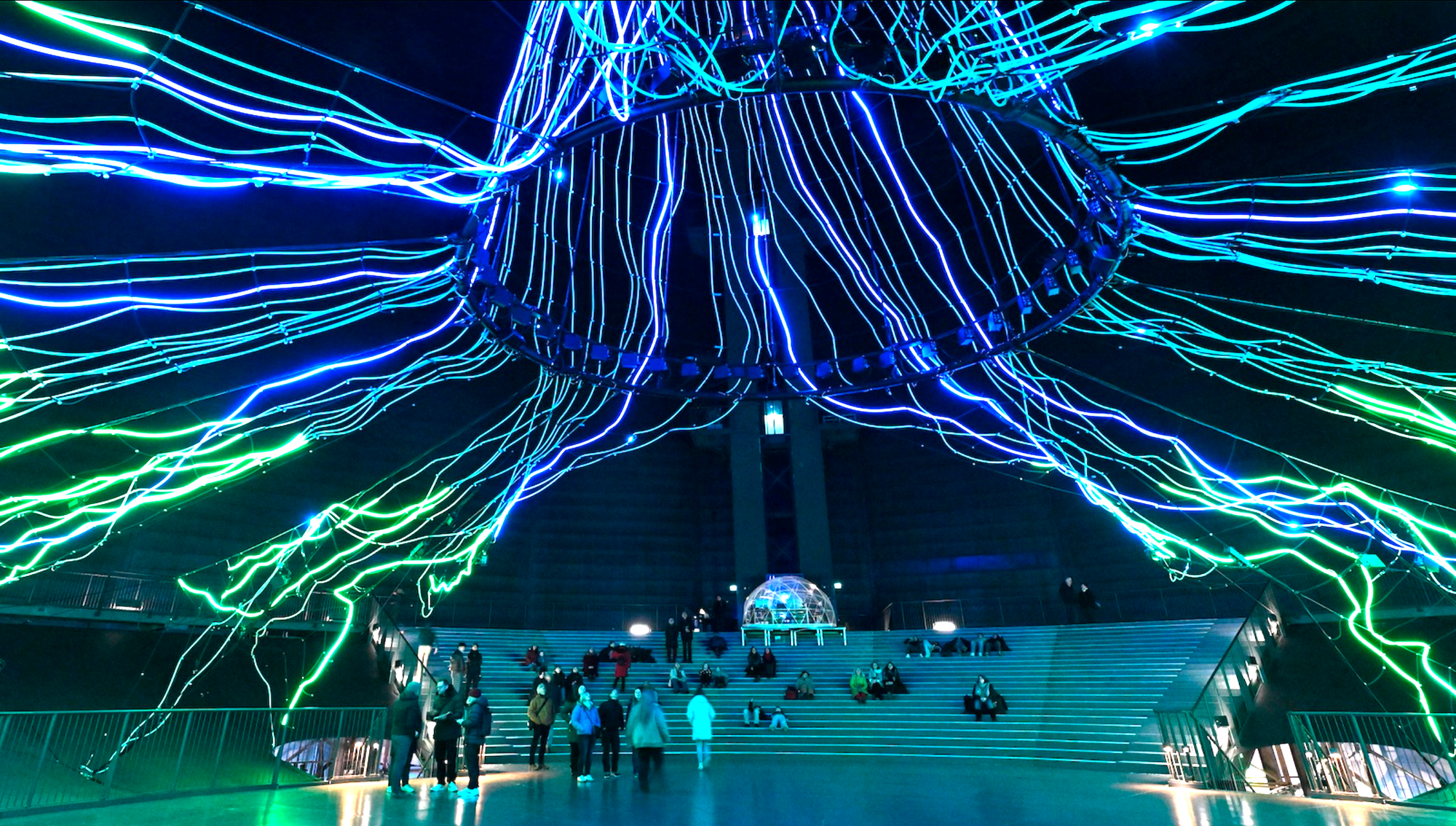 Render: WILHELM MEDIA
Conceptual support and technical feasibility across the full production. Coordinating physical LED marker placement on the static structure — translating partner measurement data into 18 structured reference sheets and a spatial network map covering trunk, canopy, and ten root arms. Maintaining aesthetic coherence across structure, light choreography, and seasonal narrative. A custom suite of 30+ Cinema 4D Python scripts built for marker generation, label printing, and placement estimation.
Gasometer Oberhausen · Planet Ozean · opened March 2024
 © WILHELM MEDIA · Photo: Thomas Wolf, Dirk Böttger/Gasometer Oberhausen
Real-time pipeline design and implementation in Unreal Engine for a 1,200 m² dual-surface projection inside Europe's tallest exhibition hall. Translating the artistic vision into a performant real-time system — reactive creature swarms, deep underwater visual language, volumetric light and atmosphere. Pipeline stability and performance under exhibition conditions across a 7-projector, 60-megapixel output.
Science media service · Joint venture with rnk.studio
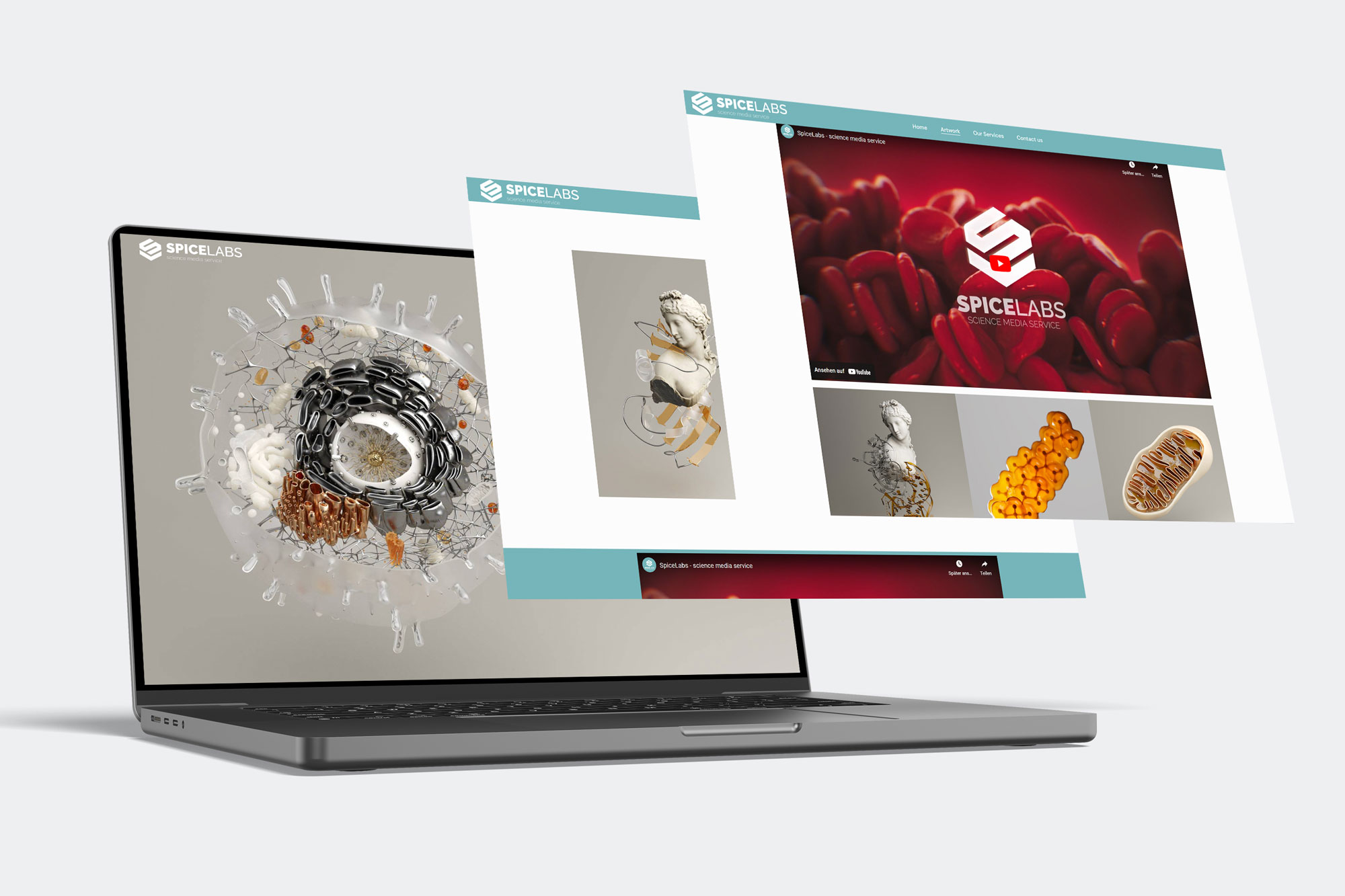 © SpiceLabs
Co-founded with rnk.studio — a joint venture combining 3D visualization expertise with AI production infrastructure for life science communication. Building generative pipelines for molecular animation, mechanism-of-action visualization, and interactive media. Covering the full stack from scientific brief to final output across expert, investor, and patient audiences.
Medical · Architecture · Product · Generative
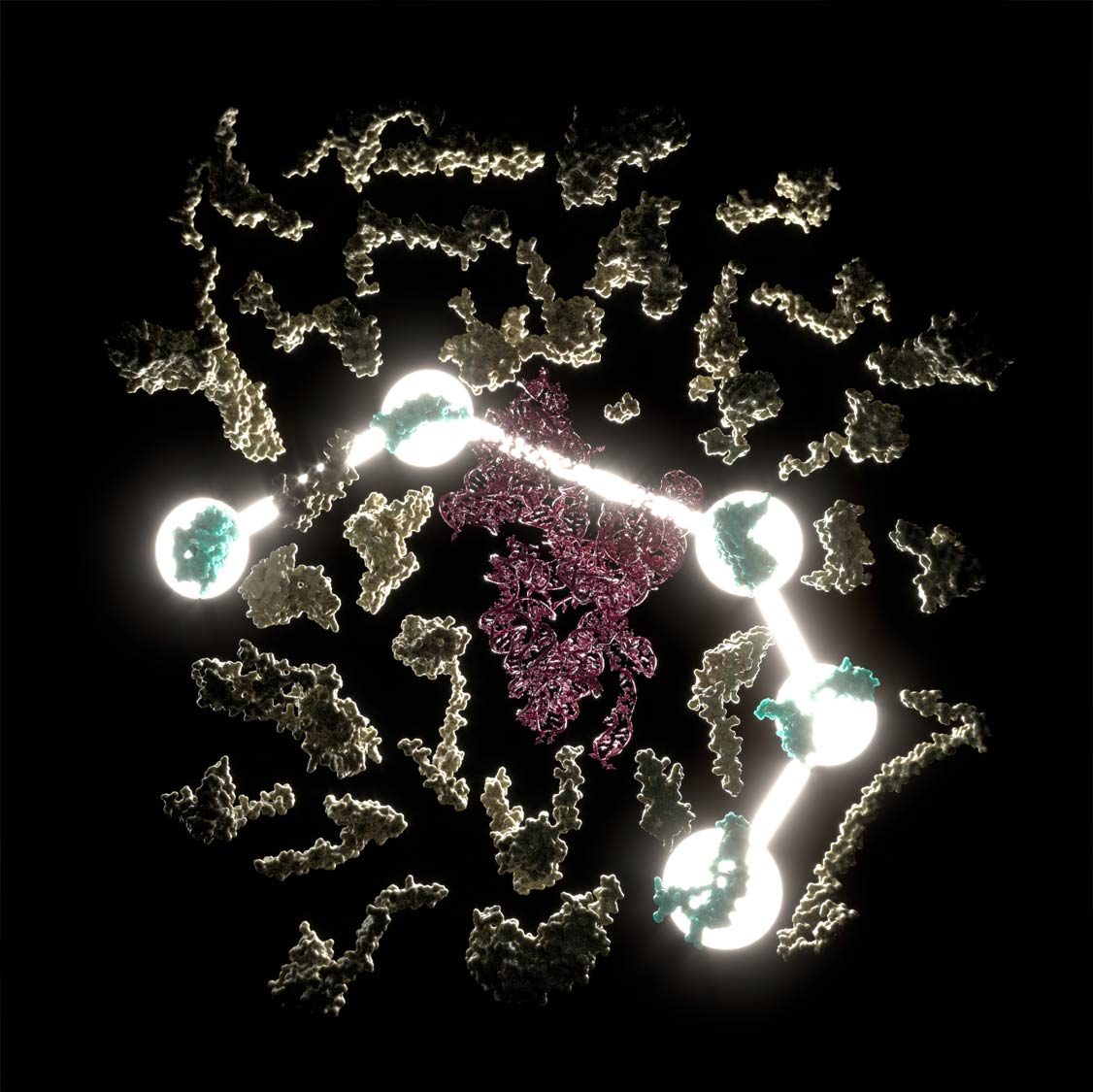

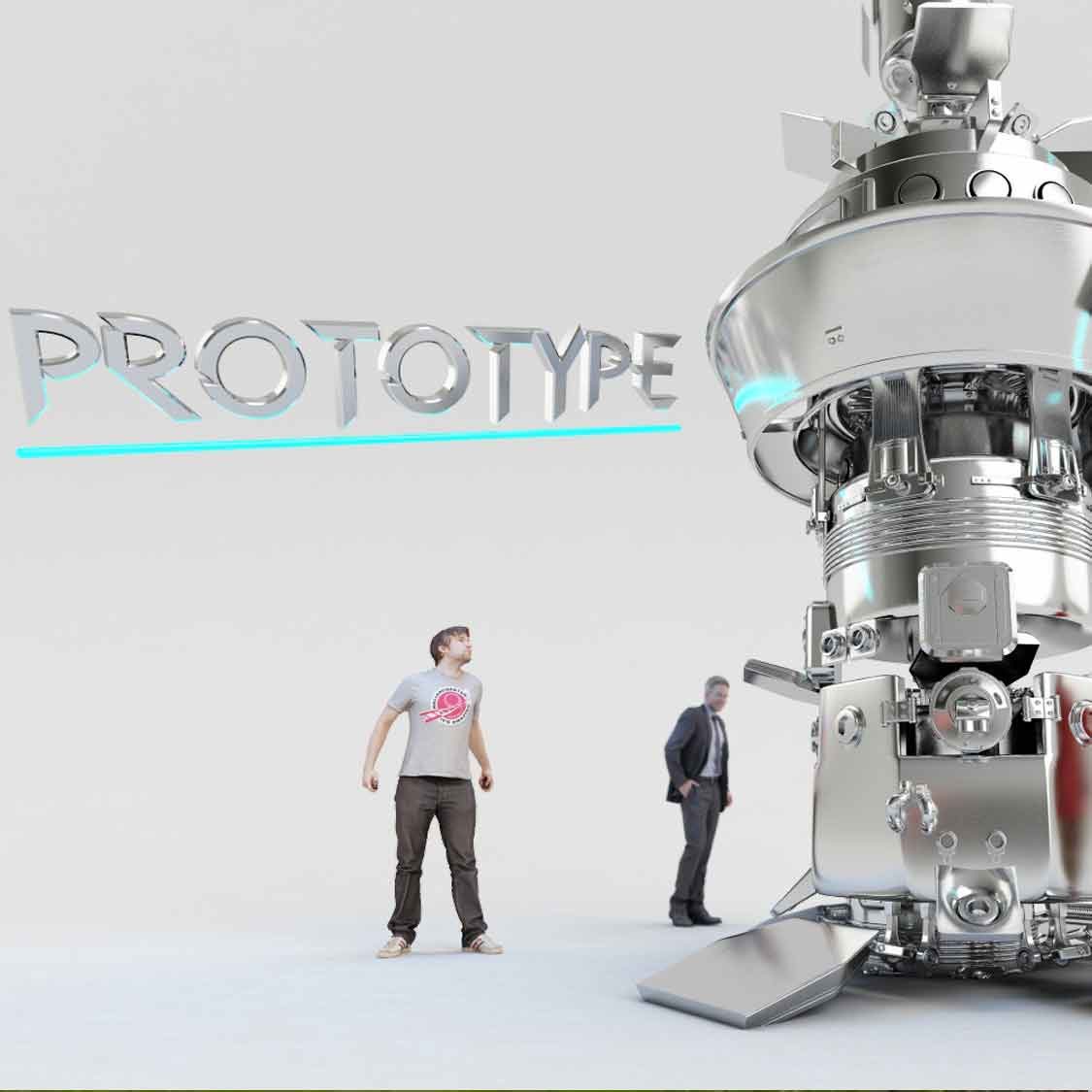
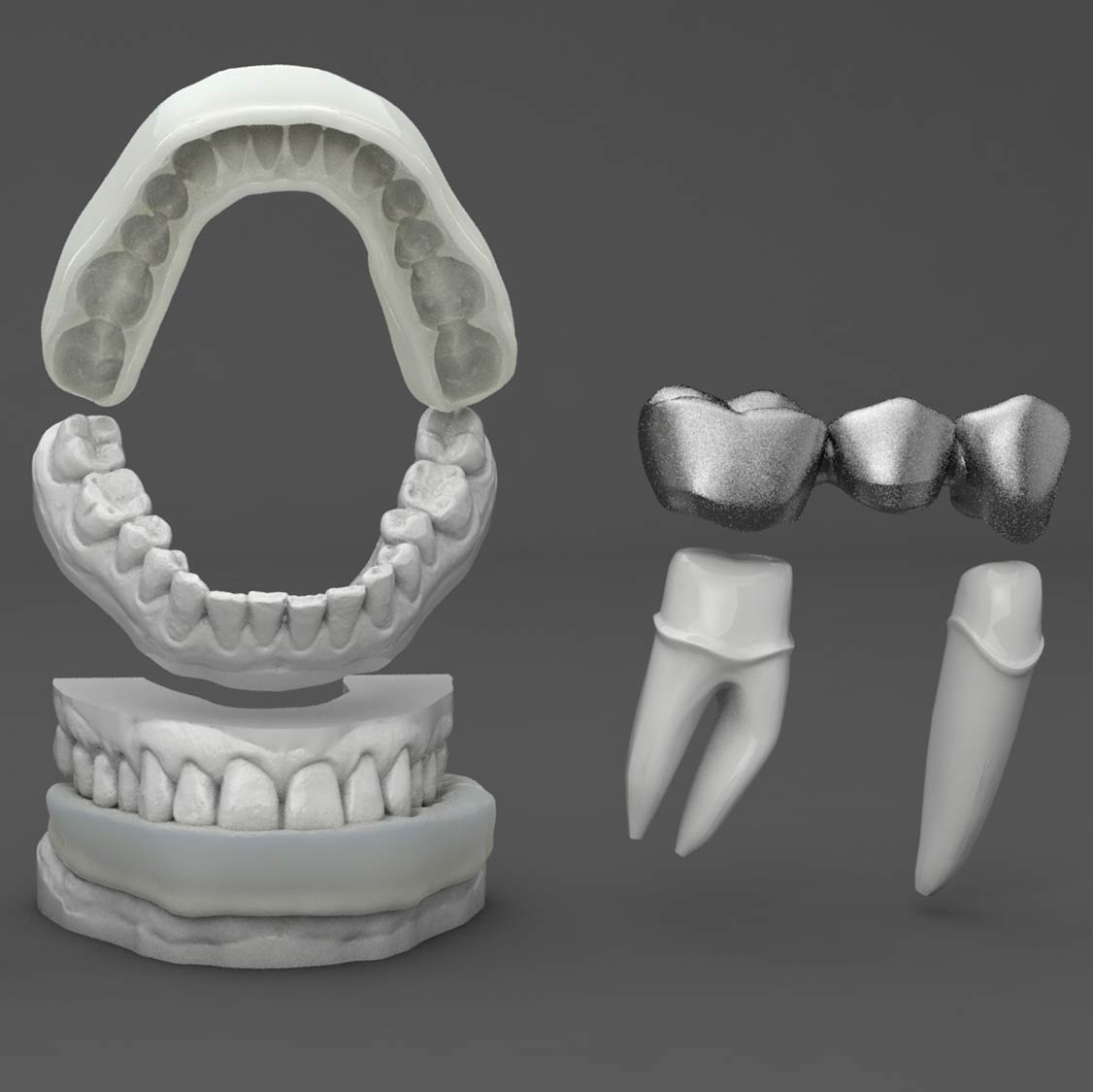
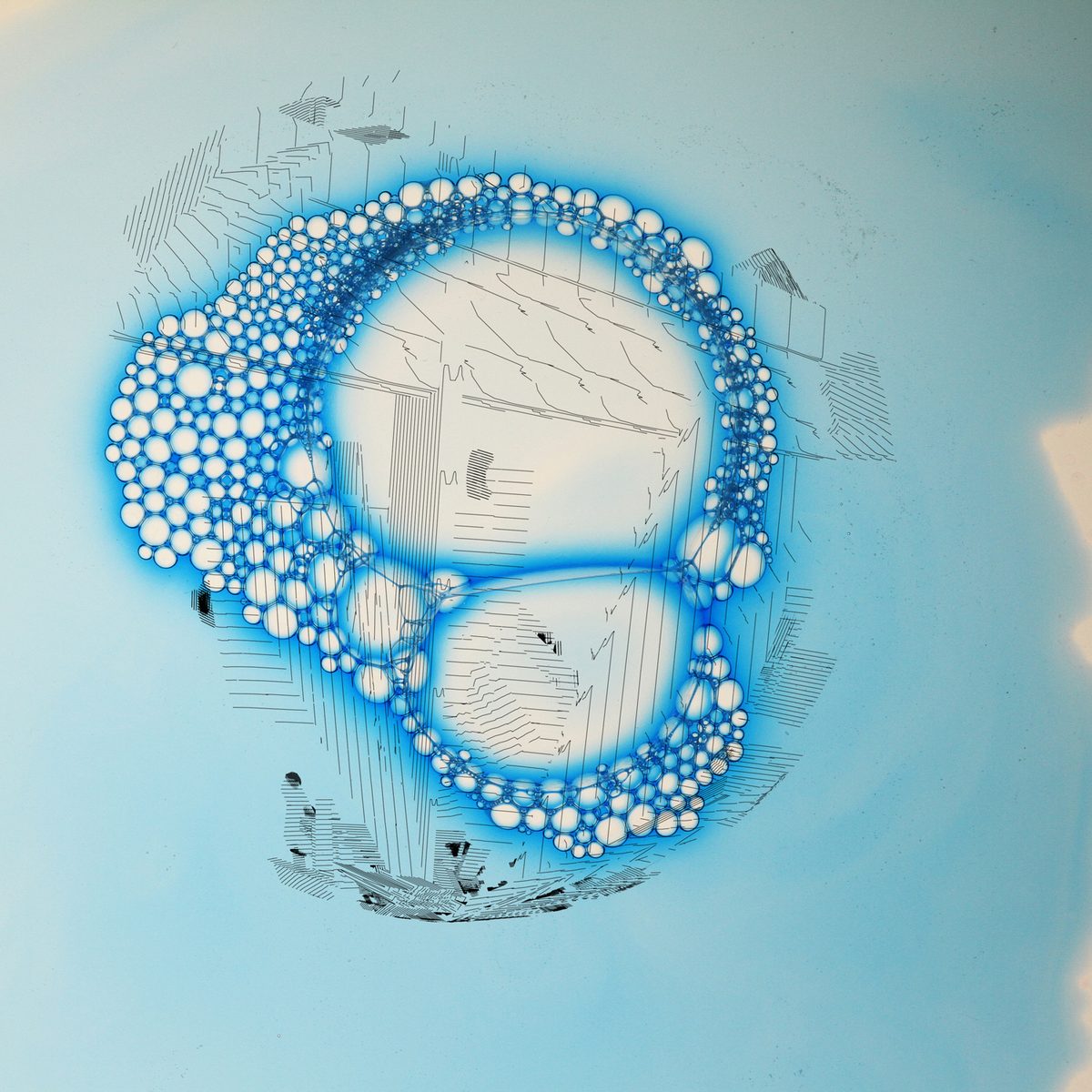
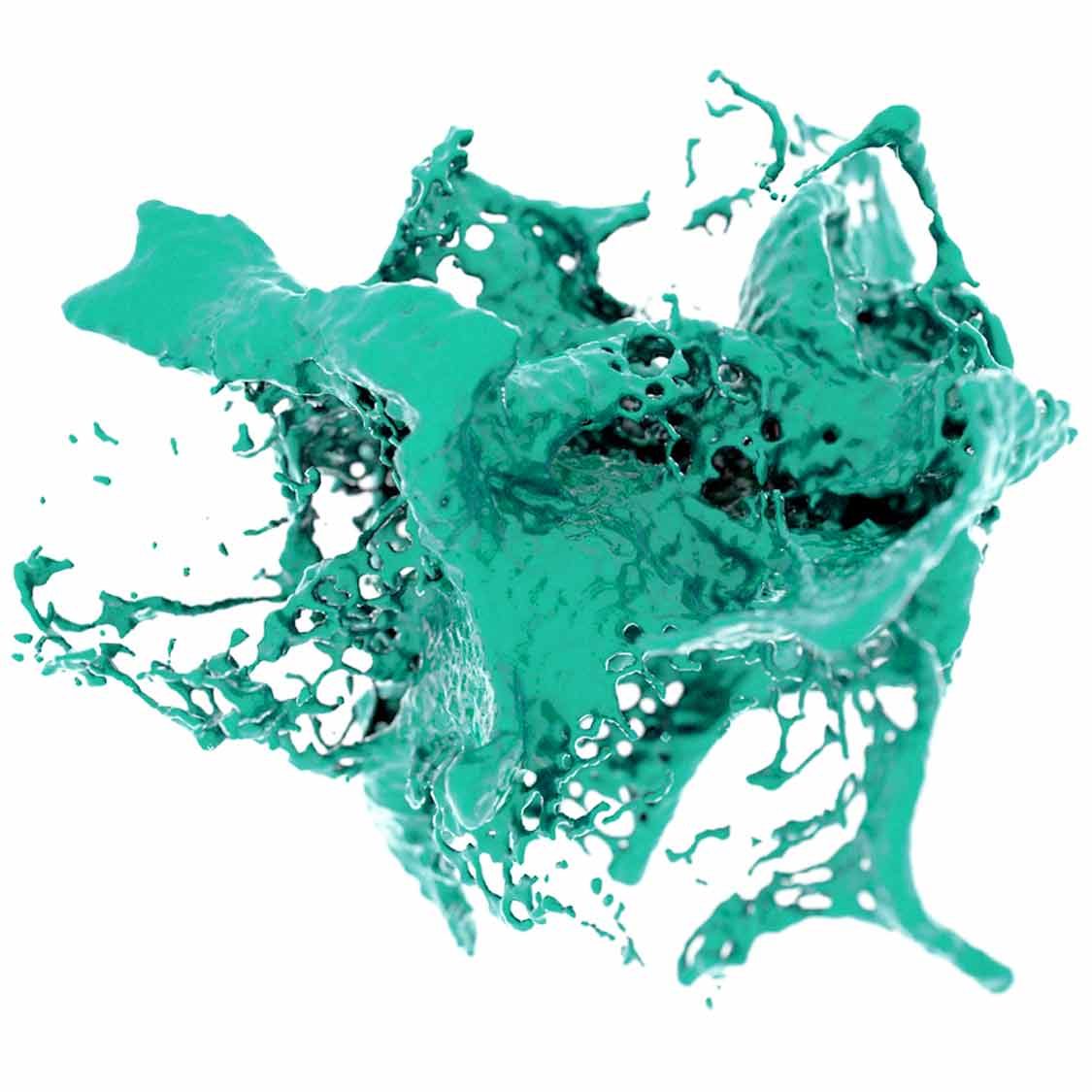
The foundational discipline underlying everything. Over two decades of 3D production spanning medical animation, architectural visualisation, product staging, technical illustration, and generative art. Work developed for clients in pharma, life science, construction, consumer goods, and cultural institutions — from photorealistic render to abstract simulation, always shaped by a clear visual logic.
Not everything can be planned.
Some things can only be navigated.
Trust and vision are the inputs.
The system is what we build together.
What you bring is direction and ambition. What we build together is a system that makes it real — and reusable.
Voice conversation. Ask anything about the approach, use cases, or how to start.
Type your question. The agent responds.
No form. No funnel. Just a conversation.
info@wilhelm-media.at